Blog
How to Choose the Right Pallet Racking System
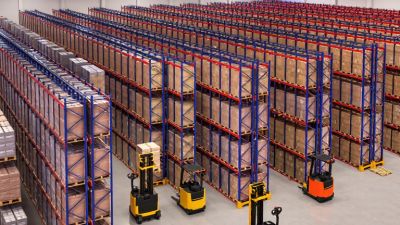
Choosing the right Pallet Racking system starts with the work your warehouse actually performs. Measure the loads, not just the pallets. Record their weight, dimensions, and overhang. Note how often each product moves, and which lift trucks serve each aisle. A layout that looks efficient on paper can feel cramped when a forklift turns with a wide load. Small details matter.
The Rack Manufacturers Institute (RMI) publishes technical guidance for industrial steel storage racks. A useful working maxim, informed by that guidance, is: “Choose the rack around the load, the handling equipment, and the building—not the catalog image.” That is a practical starting point, not a substitute for a qualified review. Clearances, floor conditions, rack configuration, and local operating requirements all deserve attention. Get those wrong, and capacity figures alone will not rescue the design.
This guide explores common options, including selective, drive-in, and push-back systems, then considers storage density, access, budget, and future changes. The best fit depends on your inventory profile and daily picking needs. There is no universal winner. A high-density arrangement may save floor space but slow access to individual pallets. Selective racks offer direct access, though they need more aisle space. The first layout may be wrong. That is worth checking early, before steel is ordered and routines are built around it.
Read more »
 By:Clara
- November 12, 2026
10 Pallet Rack Systems Buying Tips for Global Buyers?
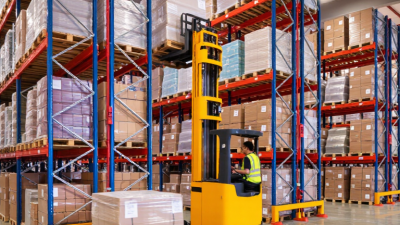
Global buyers rarely choose Pallet Rack Systems from a catalog photo alone. A rack that looks sturdy on screen may not suit a building’s clear height, floor conditions, or handling equipment. The details matter: pallet dimensions, load weights, aisle widths, sprinkler clearance, and forklift turning space can change the right configuration. Small measurement errors have real consequences.
A useful buying principle is: “Choose the rack around the load, the building, and the daily workflow—not the price tag alone.” This is a proposed editorial quotation, not a verified statement from a named expert. Replace it with a confirmed comment from a qualified pallet-rack specialist before publication. That distinction matters. Expert claims should be traceable, especially when buyers rely on them for safety-related decisions.
This guide presents ten practical checks for comparing suppliers and specifications. It covers load ratings, rack types, material quality, installation support, inspection planning, warranties, and future expansion. Ask for drawings and written capacity data. Confirm that quoted figures match your actual pallet loads and storage layout. Then check the details again.
There is no universal best system. A selective rack may suit varied stock, while a denser layout may serve high-volume storage. Trade-offs remain. A lower purchase price can mean less flexibility later, and a compact layout can slow access. Use these tips to ask sharper questions, compare like for like, and choose a system that fits the operation—not just the quote.
Read more »
By:Clara
- November 12, 2026
10 Tips for Choosing a Pallet Storage Racking System?
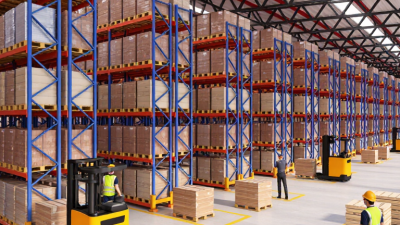
Choosing a Pallet Storage Racking System is not just a matter of comparing prices or counting pallet positions. The right setup must fit the building, the loads, and the way people move through the aisles. A few inches can affect forklift clearance. A heavier pallet can change the demands on a beam. Small details matter.
For honesty, the following is an illustrative line, not a verified quotation: fictional warehouse systems specialist Alex Morgan might say, “A rack works best when its capacity, layout, and daily use are planned together.” That idea is practical, but it is not a substitute for a qualified site assessment. Measure clear heights, aisle widths, floor conditions, and the dimensions of the pallets actually in use. Check how often stock turns, too. A system designed around ideal conditions may disappoint on a busy Monday.
This guide introduces 10 tips for comparing rack types, load requirements, access needs, safety features, expandability, and installation support. It also considers inspection routines and the value of clear operating procedures. The best choice is rarely the tallest rack or the densest layout. It is the system that supports real work without creating avoidable bottlenecks. There is room for uncertainty: product ranges change, and warehouse needs can shift after installation. Use these tips to ask sharper questions, then verify the final design with an experienced racking professional.
Read more »
By:Clara
- November 12, 2026