High-Performance Storage Racking Systems
Explore our certified range of industrial pallet racking, selective systems, and heavy-duty storage configurations designed for global compliance and extreme structural integrity.
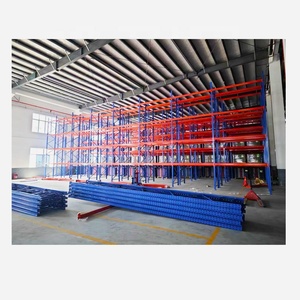
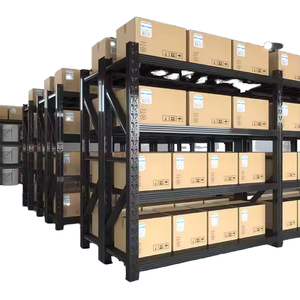
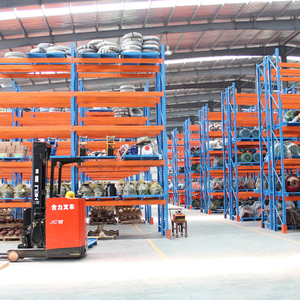
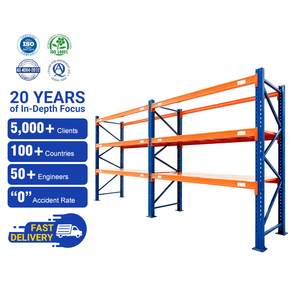
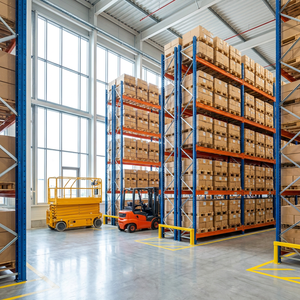
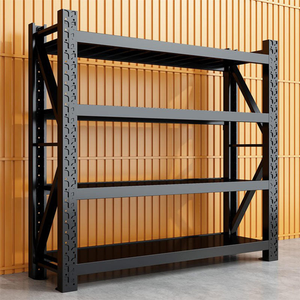
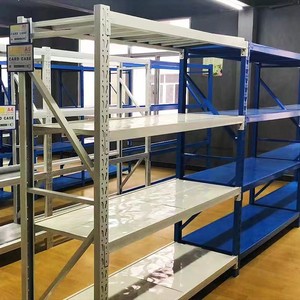
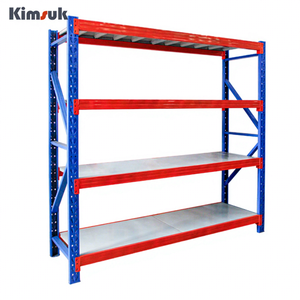
Evaluating Top Pallet Rack Manufacturers & Storage Architecture
In modern industrial logistics, supply chain efficiency relies heavily on structural safety, vertical space maximization, and compliance with dynamic loading requirements. Selecting top-tier pallet rack storage system factories requires evaluating advanced steel metallurgical grades, certified cold-roll forming processes, and rigorous seismic design methodologies.
Industrial pallet racks act as the primary backbone of global third-party logistics (3PL) hubs, automated distribution centers, and manufacturing plants. Engineering high-capacity racking demands strict adherence to global safety codes such as ANSI MH16.1, RMI standards, and NOM-006-STPS-2014 material storage guidelines.
Leading manufacturing facilities utilize high-tensile steel alloys—such as Q235B and Q355B structural grade steel—engineered to withstand extreme point loads and dynamic stress from forklift loading cycles. By implementing custom upright column profiles, teardrop connectivity, and structural channel beam designs, tier-1 racking factories help clients avoid costly structural failures and operational downtime.
Critical Engineering Checklist for Buyers
- Yield & Tensile Strength: Minimum yield point of 355 MPa for heavy industrial uprights.
- Deflection Tolerances: Beam deflection ratio capped strictly below L/180 under full capacity load.
- Seismic Zone Anchor Factor: Site-specific anchor bolt calculation following local CFE or IBC guidelines.
- Surface Coating Performance: Electrostatic thermosetting epoxy-polyester powder coat exceeding 500-hour salt spray testing.
Why Direct Factory Engineering Matters
Purchasing directly from specialized storage racking factories ensures customized structural design, full quality control traceability, and significant cost advantages for large-scale industrial projects.
Custom structural Profiling
Every facility has unique ceiling clear heights, floor slab load limitations, and material flow patterns. Advanced roll-forming mills allow custom upright depths, beam profiles, and pitch increments to maximize every vertical meter of storage space.
Seismic & Environmental Adaptation
Whether operating in high-risk seismic corridors or aggressive coastal humidity, direct factory customization supplies site-calculated heavy-duty baseplates, mechanical wedge anchors, and hot-dip galvanized finishes for maximum longevity.
Automated Robotic Manufacturing
Utilizing high-precision automated robotic welding systems for beam end-connector joints guarantees consistent weld penetration, eliminating structural weak points and ensuring uniform load distribution across all storage tiers.
Selecting the Right Racking Architecture
Compare performance attributes across mainstream pallet storage configurations to align with your facility's operational throughput requirements.
| Racking System Type | Storage Density | SKU Selectivity | Typical Load Capacity | Optimal Industry Application |
|---|---|---|---|---|
| Selective Pallet Rack | Standard (40-50%) | 100% Direct Access | 1,000 kg – 3,500 kg / Level | 3PL fulfillment, high-SKU distribution, general retail. |
| Drive-In / Drive-Through | Very High (75-85%) | Low (LIFO / FIFO Lanes) | 1,500 kg / Pallet Position | Cold storage, seasonal items, homogenous low-SKU goods. |
| Push-Back Racking | High (60-70%) | Medium (2 to 6 Deep) | 1,000 kg – 2,000 kg / Position | Automotive manufacturing buffers, fast-moving consumer goods. |
| Heavy Duty Cantilever | Specialized Long Loads | 100% Open Access | 500 kg – 5,000 kg / Arm | Steel pipes, lumber, extrusions, structural building materials. |
| Multi-Tier Stacking Racks | Flexible Dynamic | Modular Unit Access | 1,000 kg – 3,000 kg / Tier | Temporary staging, seasonal warehouse expansion, shipping units. |
Future Procurement & Development Trends
Understanding emerging technology, material innovations, and macro-economic factors shaping industrial warehouse storage procurement over the next decade.
1. Accelerated Nearshoring & Regional Supply Chain Hubs
Global manufacturing diversification has driven unprecedented demand for regional industrial infrastructure. Companies expanding into industrial zones in North America, Latin America, and Southeast Asia require rapid-deployment, seismic-ready racking systems built to strict international standard specifications.
2. ASRS Compatibility & Automation Integration
Future racking procurement heavily favors automated storage and retrieval system (ASRS) readiness. Modern pallet rack factories design ultra-precise structural tolerances (±1.5mm) required by automated crane shuttles and Autonomous Mobile Robots (AMRs), moving beyond basic manual forklift operational standards.
3. IoT Structural Health Sensors & Smart Maintenance
Next-generation pallet racking incorporates embedded micro-strain gauges and optical sensors along upright frames. Real-time telemetry detects forklift impacts, localized overload stress, and rack deflection spikes before catastrophic structural buckling occurs.
4. Sustainable Green Steel & Eco-Coatings
Enterprise sustainability mandates are pushing factories toward low-carbon electric arc furnace (EAF) steel production and zero-VOC waterborne powder coating methods. Buyers increasingly require Environmental Product Declarations (EPDs) during international tender processes.
Frequently Asked Questions (FAQ)
Expert engineering answers to standard technical questions asked by warehouse managers, safety directors, and global procurement officers.
What structural factors dictate the maximum load capacity per pallet racking level?
Maximum level capacity is governed by steel beam profile geometry (height, thickness, and length), end-connector hook engagement depth, and material yield strength. Deflection must be strictly engineered below L/180 (beam length divided by 180) to prevent permanent plastic deformation under full rated uniform static loads.
How do factories calculate racking requirements for seismic regions?
Seismic engineering utilizes site-specific spectral acceleration parameters ($S_s$ and $S_1$) based on local building codes. Structural engineers size heavy-duty baseplates, enlarge floor anchor diameters, and incorporate additional diagonal cross-bracing to absorb shear and torsional forces during seismic events.
Why is powder coating preferred over standard liquid spray paint for warehouse racks?
Thermosetting epoxy-polyester powder coating delivers superior impact resistance against constant forklift abrasion. Electrostatic application provides uniform film thickness (60-80 microns) with zero paint sagging, resisting chipping, rust, and chemical degradation far better than conventional liquid paint.
What structural documentation is required for safety audit compliance?
Compliance documentation must include certified Mill Test Reports (MTRs) for raw steel, CAD structural floor layout drawings signed by professional structural engineers, certified load capacity plaques mounted on end aisles, and ANSI MH16.1 compliance certificates.
When should a warehouse choose Cantilever Racks over Selective Pallet Racks?
Cantilever racks are specifically engineered for long, uninterrupted, or irregularly shaped materials like structural pipes, steel bars, timber, aluminum extrusions, and sheet metal. Selective pallet racks require front vertical columns that block side-loading access for long continuous profiles.
How does warehouse concrete slab thickness affect racking installation?
Pallet rack anchor bolts depend on slab compression strength (typically minimum 3,000 to 4,000 PSI) and slab depth (minimum 5 to 6 inches). Heavy industrial racking with high point-loads requires geotechnical verification to prevent anchor pull-out or localized concrete punching failure.
Transform Your Warehouse Storage Efficiency Today
Contact our senior structural engineering team for a customized warehouse layout design, structural load calculations, and competitive factory-direct pricing tailored to your operational goals.