Engineered Storage Solutions Matrix
High-performance structural racking systems engineered for high-density logistics, heavy manufacturing, and automated distribution environments. Compliant with ANSI MH16.1, CFE seismic requirements, and FEM guidelines.
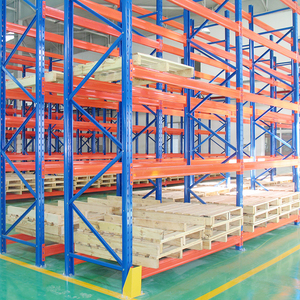
Top Rated Heavy Duty Steel Rack Customized Heavy Duty Racking System for Large Scale E-commerce Logistics Warehouse
View Engineering Specs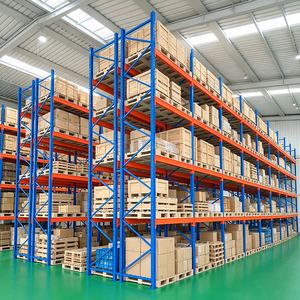
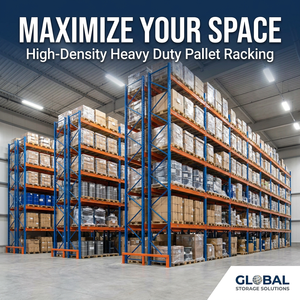
Industrial Heavy Duty Pallet Rack 1000-5000KG Load Capacity Warehouse Storage Racking System with Adjustable Shelves
View Engineering Specs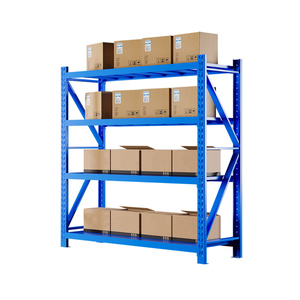
Industrial Warehouse Storage 5-Layer Pallet Racking System with Tire Rack Slotted Angle Rack Stacking Racks & Shelves
View Engineering Specs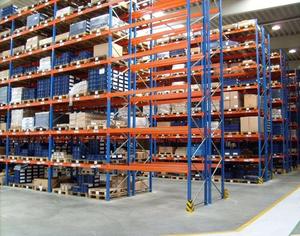
China Suppliers Warehouse Storage Pallet Racking Box Beam Type Heavy Duty Rack
View Engineering Specs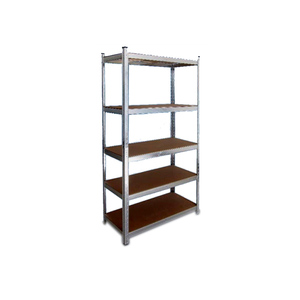
China Professional Factory Custom Made Powder Coating Stainless Steel Shelves Warehouse Storage Racks
View Engineering Specs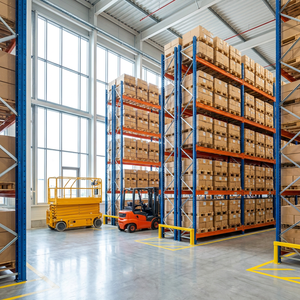
3000KG Loading Rack Multi Level Pallet Rack Warehouse Shelving Heavy Duty Shelves Factory Industrial Racking Systems
View Engineering Specs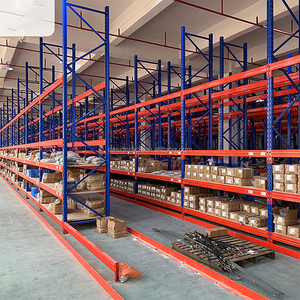
Commercial Heavy Duty Boltless Steel Shelving System Warehouse Industrial Storage Rack Pallet Racking Unit
View Engineering SpecsANSI MH16.1
Design Standard Compliance
5,000 KG
Max Beam Pair Load Capacity
3 - 5 Days
CAD Layout Turnaround
NOM-006
STPS Safety Certified
Executive Analysis: Evaluation of the Top 10 Global Warehouse Racking Suppliers
Navigating the complex global market for heavy-duty warehouse storage infrastructure requires rigorous structural evaluation, regulatory auditing, and operational alignment. In an era dominated by rapid nearshoring, industrial park expansion, and automated inventory management, choosing the right racking supplier directly dictates structural safety, floor space yield, and total cost of ownership (TCO).
The global racking supply ecosystem comprises four primary vendor archetypes: Direct Original Equipment Manufacturers (OEMs), Turnkey Systems Integrators, Heavy Structural Fabricators, and Regional Wholesale Stockists. Below is an engineering evaluation framework highlighting the technical capabilities, certification thresholds, and customization options top-tier manufacturers must demonstrate to support global supply chains.
| Supplier Category | Structural Compliance | Steel Grade Spec | Seismic Engineering | Best Applied Operational Profile |
|---|---|---|---|---|
| Direct OEM Manufacturers | ANSI MH16.1, FEM 10.2.02, RMI | Q235B, Q355B High-Tensile Steel | FEA Dynamic & Zone-Specific Design | Large-scale distribution, cold storage, automated hubs |
| Systems Integrators | ISO 9001, EN 15512 | Cold-Rolled & Structural Hybrids | Building-Integrated Rack Architecture | Automated Storage & Retrieval Systems (AS/RS), 3PL fulfillment |
| Heavy Structural Fabricators | AISC 360, AWS D1.1 Welding | Structural Channel (C-Channel Steel) | Extreme Impact Load Analysis | Heavy manufacturing, raw metal staging, outdoor yards |
| Regional Wholesalers | Standard Catalog RMI Guidelines | Commercial Grade Steel (ST37 / Q235) | Standard Anchor Baseplate Pre-packs | Rapid-replacement parts, basic selective pallet setups |
Engineering Excellence & Enterprise Capabilities
High-bay industrial storage systems are safety-critical infrastructure. Our engineering methodology integrates international material standards with zone-specific environmental constraints to deliver robust structural integrity.
Site-Specific Seismic Calculation
Every racking system is calculated using specific seismic coefficients, incorporating regional codes such as the CFE Seismic Design Manual and ANSI MH16.1 specifications. Upright frames, baseplate anchor embedment depth, horizontal bracing geometry, and beam-to-column connector locks are customized to absorb dynamic shear forces without structural yield.
STPS & International Audit Compliance
Our warehouse layouts and physical structural markers fully support safety auditing frameworks including NOM-006-STPS-2014 and NOM-001-STPS. Each rack configuration includes load-capacity placards, designated emergency aisle dimensions, structural column impact protection, and detailed safety inspection documentation for plant managers.
Precision CAD & 3D Capacity Modeling
We eliminate site integration errors through multi-variable CAD analysis. By evaluating clear building height, floor slab load thresholds, material handling equipment (MHE) turning radiuses, and SKU velocity profiles, preliminary structural layouts and bay loading capacity calculations are produced in 3 to 5 business days.
Traceable Q235B/Q355B Steel Quality
Structural integrity begins at the mill. All upright columns and heavy-duty box beams are manufactured from certified, high-tensile Q235B and Q355B cold-rolled steel. Batch-specific mill test certificates verify yield strength, tensile strength, and elongation performance under extreme thermal and mechanical strain.
Future Procurement Trends in Industrial Storage
The global warehousing landscape is undergoing a structural transition driven by nearshoring dynamics, automated intralogistics, and stringent land-use economics. Enterprise procurement teams must evaluate racking hardware not merely as static steel frames, but as a critical node in modern automated supply chains.
1. Convergence with AS/RS & Autonomous Fleets
Traditional selective racking is rapidly giving way to crane-dependent Automated Storage and Retrieval Systems (AS/RS) and Autonomous Mobile Robot (AMR) compatible structures. Future procurement cycles prioritize racking systems manufactured with ultra-tight structural tolerances (±0.5mm deflection allowances) to ensure seamless positioning by robotic shuttles.
2. Vertical Clearance Maximization (12m+ Heights)
With industrial real estate costs escalating in key logistics corridors, companies are shifting vertical footprints higher. Speculative facilities are routinely constructed with clear heights exceeding 12 to 15 meters. This demands structural rack designs utilizing heavier gauge upright columns, nested box-beam configurations, and advanced top-tie overhead bracing systems.
3. Nearshoring & Resilient Local Supply Chains
To hedge against transpacific maritime delays, enterprise buyers are establishing multi-regional storage nodes across North American and European industrial belts (such as Mexico's Bajío and Northeast corridors). Supply chain directors favor racking partners capable of rapid regional dispatch, bilingual technical support, and localized regulatory compliance.
Technology & Product Development Trends in Storage Systems
Material science and manufacturing technology continue to elevate the capabilities of modern industrial steel shelving. Key innovation drivers transforming the market include:
Advanced Surface Treatments & Electrostatic Powder Coating
Modern warehouse environments demand durable finish protection. Innovations in thermosetting epoxy-polyester powder coating yield high resistance to abrasion, impact, and chemical exposure. For cold storage and high-humidity applications, hot-dip galvanizing provides self-healing zinc sacrificial protection that prevents sub-surface oxidation.
Modular Boltless Hook-and-Beam Lock Connectors
Engineering development has yielded self-locking beam connectors featuring multi-tooth engagement lugs. These cold-stamped connector plates lock rigidly into teardrop or structural upright perforations, maximizing moment resistance while enabling rapid height adjustment without specialized tooling.
IoT-Integrated Load & Strain Monitoring
Emerging high-density storage installations integrate micro-strain gauge sensors directly into critical upright frames and beam connectors. Connected via wireless telemetry to Warehouse Management Systems (WMS), these smart sensors alert safety officers to structural overloads, accidental forklift impacts, or micro-deflections before mechanical failure occurs.
Optimized Roll-Formed Profiles
Utilizing finite element analysis (FEA), structural engineers have designed cold-rolled steel profiles with additional stiffening ribs along the column web. This profile geometry increases torsional stiffness and axial load capacity while reducing structural weight, leading to material savings without compromising safety factors.
Industrial Procurement & Technical FAQ
Direct answers to technical questions raised by structural engineers, warehouse safety auditors, and procurement managers.
Are these racking systems suitable for high-risk seismic zones?
Yes. Every project is engineered based on the exact seismic zone coefficient of the deployment site. By referencing the CFE Seismic Design Manual and ANSI MH16.1 design practices, baseplates, anchor bolt diameters, frame diagonal bracing patterns, and beam connector engagement pins are custom calculated to absorb localized seismic forces.
How do your storage designs ensure compliance with NOM-006-STPS?
Our structural engineering layouts directly comply with NOM-006-STPS-2014 material handling requirements. We specify compliant load-capacity signage, maintain mandated safety clearance distances between forklift masts and overhead trusses, and supply structural accessories such as heavy-gauge upright column protectors and row end-guards.
What is the standard beam deflection limit under full load capacity?
In accordance with ANSI MH16.1 specifications, our heavy-duty box beams are designed to a maximum deflection limit of L/180 (where L is the span length of the beam). For example, a 2,700mm beam under maximum uniformly distributed load will not deflect more than 15mm, preserving vertical clearances for automated material handling equipment.
When should an operation select Cantilever Rack over Pallet Rack?
Cantilever racking is specifically engineered for long, continuous, or irregularly shaped materials such as steel tubing, bar stock, lumber, PVC piping, and metal sheets, offering uninhibited front loading. Standard pallet racking is optimized for unitized, box-stacked, or palletized goods with fixed depth and width dimensions.
What information is required to generate a custom 3D CAD layout?
To prepare an accurate CAD design and capacity analysis, we require: (1) Building architectural floor plan showing column grid spacing, clear height, and floor slab rating; (2) Pallet dimensions (L x W x H) including load overhang; (3) Maximum weight per pallet; and (4) Forklift specifications (minimum aisle turning radius and maximum lift height).
What finish options are recommended for cold storage vs dry goods?
For dry ambient logistics, an electrostatic thermosetting epoxy-powder coating (60-80 microns thickness) provides exceptional corrosion and scratch resistance. For freezer facilities, high-humidity food processing plants, or outdoor staging areas, hot-dip galvanizing (HDG) per ASTM A123 is strongly recommended to prevent rust formation.
Ready to Optimize Your Warehouse Storage Footprint?
Submit your building floor plans, load specifications, and operational requirements. Our engineering team will deliver a comprehensive CAD warehouse layout design along with structural load calculations at no cost.